Historic Property Inspection Italy; Structural Inspection Tuscany; Historic Building Inspection;

Historic Property Inspection in Tuscany: How to Identify Structural Problems Before Buying

A Historic Property Needs to Be Understood Before It Can Be Judged

A historic property inspection in Tuscany should begin before architecture, charm or restoration potential become the only factors guiding a purchase decision. A historic villa, farmhouse, castle or country estate can make a powerful first impression, but its physical condition and construction history are equally important when assessing the real value of an acquisition.

Architecture, proportions, traditional materials and the surrounding landscape immediately reveal part of the building’s character. Its technical condition, however, tells another story.

A Historic Property Inspection in Tuscany helps buyers understand that story before making important financial commitments. The objective is not simply to identify defects. It is to interpret how the building was constructed, how it has changed over time and what its present condition may mean for the acquisition.

This distinction is particularly important with historic properties. Many have evolved over decades or centuries through extensions, repairs, changes of use and different restoration campaigns. Agricultural buildings may have become residences. Historic villas may contain interventions from several periods. Country houses may combine original structures with later additions built according to different techniques.

Therefore, what buyers see during a property viewing provides only part of the information they need to make an informed decision.

Before choosing a historic property, the building needs to be understood.

Why a Historic Property Inspection in Tuscany Requires Specific Expertise

Historic buildings cannot be assessed in the same way as contemporary construction. Load-bearing masonry, timber structures, vaulted ceilings, lime mortars and traditional roof systems behave differently from reinforced concrete and modern building technologies.

Moreover, every transformation carried out during the building’s history contributes to its present condition. Understanding those transformations requires familiarity with historic architecture, traditional construction techniques and restoration principles.
For this reason, before purchasing a historic building, Dario Balestri recommends having the property inspected by an architect or structural engineer with proven experience in historic construction.

A visible irregularity may be insignificant. Conversely, a detail that appears minor may indicate a condition that deserves further investigation.
The most useful question is therefore not simply: Does this building have defects?
Instead, buyers should ask: What do these signs tell us about the building, and how relevant are they to this particular acquisition?

That change of perspective turns technical inspection into a decision-making tool.
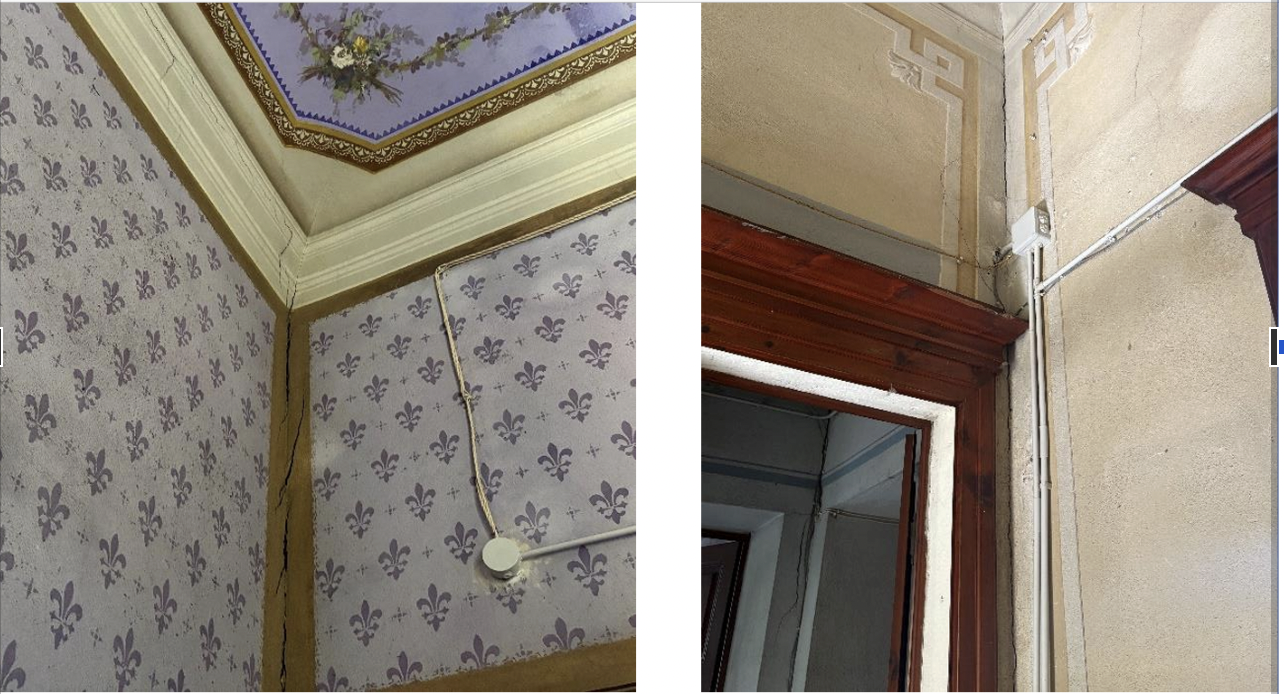
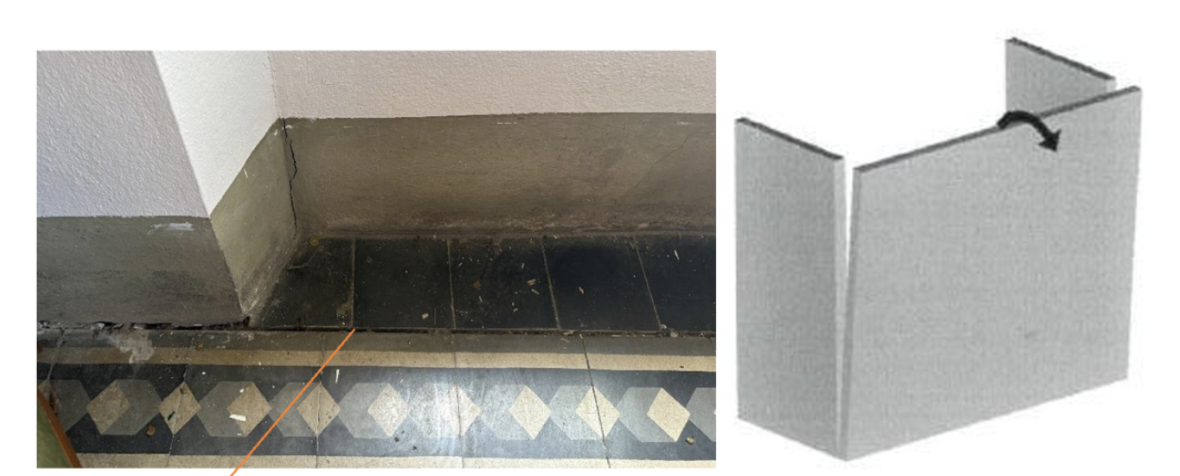
Crack in historic masonry during property inspection in Tuscany
Image Mansory Crack: apparently minor cracks in historic masonry may require professional assessment to establish whether they are superficial, historic and stabilised, or evidence of structural movement

The Most Important Structural Problems Are Not Always the Most Obvious

One of the most common misconceptions is that serious structural problems are always easy to recognise. 
In reality, some conditions first appear through relatively subtle signs.

During historic property inspection of a historic building, particular attention may be given to:

  • spiral cracks affecting timber beams;
  • fine cracks running parallel to load-bearing masonry;
  • movement around arches or vaulted structures;
  • localised cracking near windows and door openings;
  • deformation of timber structural elements;
  • irregularities affecting historic roof structures.

I specifically identifies apparently minor conditions such as a spiral crack in a timber beam, a fine linear crack parallel to load-bearing masonry or a vertical displacement at the crown of a brick or stone arch as signs that should not be underestimated.
Nevertheless, their presence does not automatically mean that a property has a serious structural problem.

Historic buildings naturally change throughout their lifetime. Materials age, timber moves and settlements may have occurred many years ago before becoming completely stable.
The important point is not to reach conclusions from appearance alone.

Instead, an experienced professional should interpret each sign within the building’s overall structural behaviour and construction history.

When Visual Inspection Is Not Enough

Consider a fine crack running through a masonry wall. Its appearance alone cannot establish whether it represents superficial deterioration, historic settlement or active structural movement.

The same principle applies to a crack affecting a timber beam or to movement around an arch. Context changes the interpretation.
Is the wall part of the original structure or a later addition? Has the building been modified? Do similar signs appear elsewhere? Is the crack associated with a structural opening? Does its geometry correspond to a recognisable pattern of movement?
Its appearance alone cannot establish whether it represents superficial deterioration, historic settlement or active structural movement.

In other words, technical expertise does not simply identify a problem. It establishes what that problem may mean.

A professional inspection is the starting point, not necessarily the final diagnosis.
If a potentially significant structural condition emerges, the next step may be to involve a structural engineer or another specialist able to investigate its origin and assess the appropriate intervention.
Depending on the issue, the specialist may recommend further diagnostic investigations.

The specialist may use thermographic surveys, material analysis, core sampling or radar-based investigations to obtain additional evidence. These techniques can reveal information that visual inspection alone cannot establish reliably. However, the objective is not to subject every historic building to every possible test.
The investigation should follow the evidence.

First identify the sign. Then understand what needs to be investigated. Finally, determine its relevance to the acquisition.
This targeted approach allows specialist expertise to be used where it creates genuine value.

From Structural Diagnosis to the Cost of Intervention

Identifying a significant structural condition is still only part of the process.
Before proceeding with the acquisition, the buyer also needs to understand what may be required to address it and what that intervention is likely to cost.

My recommendation is particularly clear on this point. When an inspection reveals a significant structural issue, an experienced specialist should assess the possible consolidation strategy and estimate its cost before the buyer completes the purchase. This transforms a technical finding into information that can support an investment decision.

A buyer can then ask: Is the intervention compatible with the overall budget? Does it affect the feasibility of the intended project? Should it be included within a broader restoration programme? Does the cost change the value attributed to the property?
These are acquisition questions, not simply engineering questions.
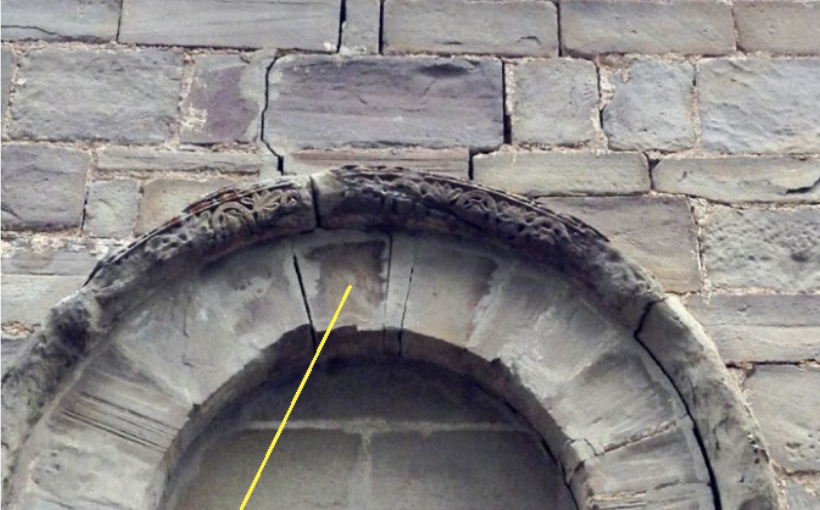
Structural crack in historic arch inspected before property purchase
Opening cracks: cracks or deformation affecting arches and structural openings should be interpreted within the overall behaviour of the building before acquisition decisions are made.

How a Historic Property Inspection in Tuscany Supports Better Buying Decisions

he purpose of a historic property inspection in Tuscany is sometimes misunderstood, especially when buyers approach an old building expecting an inspection to produce a simple list of defects.

Instead, professional assessment helps distinguish between:

  • ordinary maintenance requirements;
  • conditions that should be monitored;
  • issues requiring specialist investigation;
  • works that should be included within a restoration programme;
  • structural conditions that may influence the acquisition itself.

This hierarchy matters. A property requiring routine maintenance presents a very different investment scenario from one requiring significant structural consolidation.
At the same time, a major restoration project may be entirely compatible with one buyer’s objectives while making the same property unsuitable for another.

Technical information becomes valuable when the buyer and the professionals involved relate it to three elements: the building, the project and the buyer’s objectives.
The purpose of the inspection is not to create reasons to reject a property. It is to understand what a technical condition means, determine whether further investigation is required and, when necessary, estimate the cost of intervention before the acquisition. This information can then become part of the buyer’s investment evaluation and negotiation strategy.

Historic Property Inspection in Tuscany and Property Due Diligence

A historic property inspection in Tuscany should not be considered an isolated technical exercise. Structural assessment is one component of a broader Due Diligence process that also examines planning, cadastral, legal and documentary aspects.
It forms part of the broader Property Due Diligence in Italy, where technical, planning, cadastral, legal and documentary investigations contribute to a more complete understanding of the property.

Each analysis answers a different question: structural assessment examines the physical condition of the building; planning investigations help establish whether its current configuration and intended future use are compatible with applicable requirements. Heritage analysis may identify restrictions affecting future interventions. Legal and documentary checks provide additional layers of information.

Together, these investigations allow the buyer to understand not only the property’s present condition but also its limitations and future potential. For an international buyer considering a historic property in Tuscany, this integrated approach is particularly important.

A technically sound building may still be unsuitable for the intended project. Conversely, a property requiring significant restoration may represent an excellent opportunity when the necessary works are understood, feasible and consistent with the investment strategy.

Due Diligence is not simply a collection of reports. It is a map of issues that must be interpreted in relation to the acquisition.

Knowing about a structural issue before entering the decisive phase of a negotiation creates a very different position from discovering it after the purchase.
This is one of the points I emphasises most strongly.

When a relevant structural problem is identified before acquisition, the buyer can commission the necessary specialist assessment, estimate the likely cost of intervention and use that information during the negotiation. Once the transaction has been completed, the same problem becomes an additional cost that can no longer form part of the purchase negotiation.
However, this does not mean that every crack or maintenance requirement should automatically justify a lower offer.

Historic buildings naturally require maintenance and conservation. Therefore, technical findings must be evaluated according to their actual significance.
When an inspection confirms the need for substantial structural intervention, however, reliable cost information may influence:

  • the purchase price;
  • the conditions of the offer;
  • the restoration budget;
  • the timing of the project;
  • the overall investment strategy;
  • or, in some circumstances, the decision to proceed.

The objective is not to use every imperfection as a negotiating argument.

It is to negotiate with knowledge of what is actually being acquired.
Structural assessment of a historic property before buying in Tuscany
Structural Assessment: structural conditions identified before purchase can be assessed and costed in advance, allowing the buyer to incorporate them into both investment planning and property negotiation.

Technical Knowledge Becomes Part of Investment Planning

The consequences of structural assessment extend beyond the purchase price. For an investor, understanding the building’s condition contributes directly to restoration budgeting, feasibility analysis and long-term asset management.

The same principle applies to a private buyer planning to restore a farmhouse, castle or historic villa.
A property may remain an excellent acquisition even when substantial work is required, provided that those interventions are understood from the beginning and incorporated into the project.

This distinction is fundamental.
A significant condition discovered after acquisition becomes an unexpected cost.

The same condition, when identified, investigated and costed beforehand, becomes information that can be incorporated into the investment strategy.
Technical assessment therefore does more than reduce uncertainty. It allows buyers to plan.

Real Examples: What a Historic Building Can Reveal

Settlement Cracks in Masonry
Small vertical or diagonal cracks in plastered masonry may indicate movement in the underlying structure.
However, their significance depends on whether the movement is historic, stabilised or still active.
That distinction should be understood before restoration costs or consolidation works are considered.

Movement Around Arches and Openings
Cracking near lintels, windows and doors or displacement at the crown of a brick or stone arch can deserve specialist attention.
Yet the visible sign alone does not provide a diagnosis.
Its geometry, location and relationship with the surrounding masonry must first be interpreted.

Roof Deterioration
Historic roof structures require particular attention.
Water infiltration, ageing materials and deferred maintenance can progressively affect timber elements, masonry and interior finishes.
Early identification allows the buyer to include necessary works within the investment plan rather than discovering them as an unexpected post-purchase expense.

Cracks in Timber Beams
Traditional timber beams frequently develop longitudinal or spiral cracks as they age.
The presence of a crack alone should not be interpreted as structural failure.
Its position, depth, geometry and development must instead be assessed by professionals familiar with traditional timber structures.

More Than 35 Years of Architectural Practice Change the Way You Read a Building

For international buyers, a historic property inspection in Tuscany becomes particularly valuable when technical findings are interpreted together with the intended use of the building, the acquisition budget and the wider investment strategy.

After more than thirty-five years of architectural practice, one lesson becomes particularly important: the most consequential conditions are not necessarily the most visually striking ones.
Historic buildings should never be judged solely by appearance.
A careful historic property inspection in Tuscany before purchase can reveal information that influences restoration planning, future costs and negotiation. More importantly, it can distinguish a manageable characteristic of an old building from a condition that deserves deeper investigation.

This is where Dario Balestri’s role as an Architect and Independent Buyer Agent adds a specific perspective to the acquisition process.

The architect reads the building. The Buyer Agent relates that reading to the client’s objectives, investment and negotiation. Together, these perspectives help transform technical evidence into informed acquisition decisions.

Complex historic properties often require several professional competencies. An architect may identify a condition that deserves further investigation. A structural engineer can analyse structural behaviour and assess possible consolidation works. Other specialists may become necessary depending on the nature of the property and the issues identified
The role of the Independent Buyer Agent is not to replace these professionals.

Rather, the value lies in recognising when specialist expertise is required, coordinating the different investigations and interpreting their conclusions within the overall acquisition strategy. For international buyers, this approach also provides continuity throughout a process that may otherwise involve several independent professionals, unfamiliar procedures and technical information in another language.

Final Thoughts. Historic property inspection in Tuscany: Interpret First, Then Choose

Historic properties combine architecture, history, craftsmanship and investment potential. Their value often lies precisely in characteristics that contemporary construction cannot reproduce. Those same characteristics make informed evaluation essential.

A Historic Property Inspection in Tuscany allows buyers to move beyond appearance and understand the physical reality of the building before making important contractual and financial commitments. Some findings will simply become part of future maintenance. Others may influence restoration planning. A smaller number may require specialist investigation, structural consolidation or a reassessment of the investment.

The objective is not to eliminate every uncertainty. Nor is it to transform every imperfection into a problem.

The objective is to interpret first, then choose. For an international buyer or investor, this means understanding the property’s real condition, its potential, its limitations and the investment required to transform it into the project they have in mind.

Continue Exploring the Tuscany Property Guide

Historic property inspection is one component of a broader acquisition strategy. Continue exploring the process through:

Learn how a historic property inspection in Tuscany can identify structural issues, estimate potential costs and support better buying decisions.
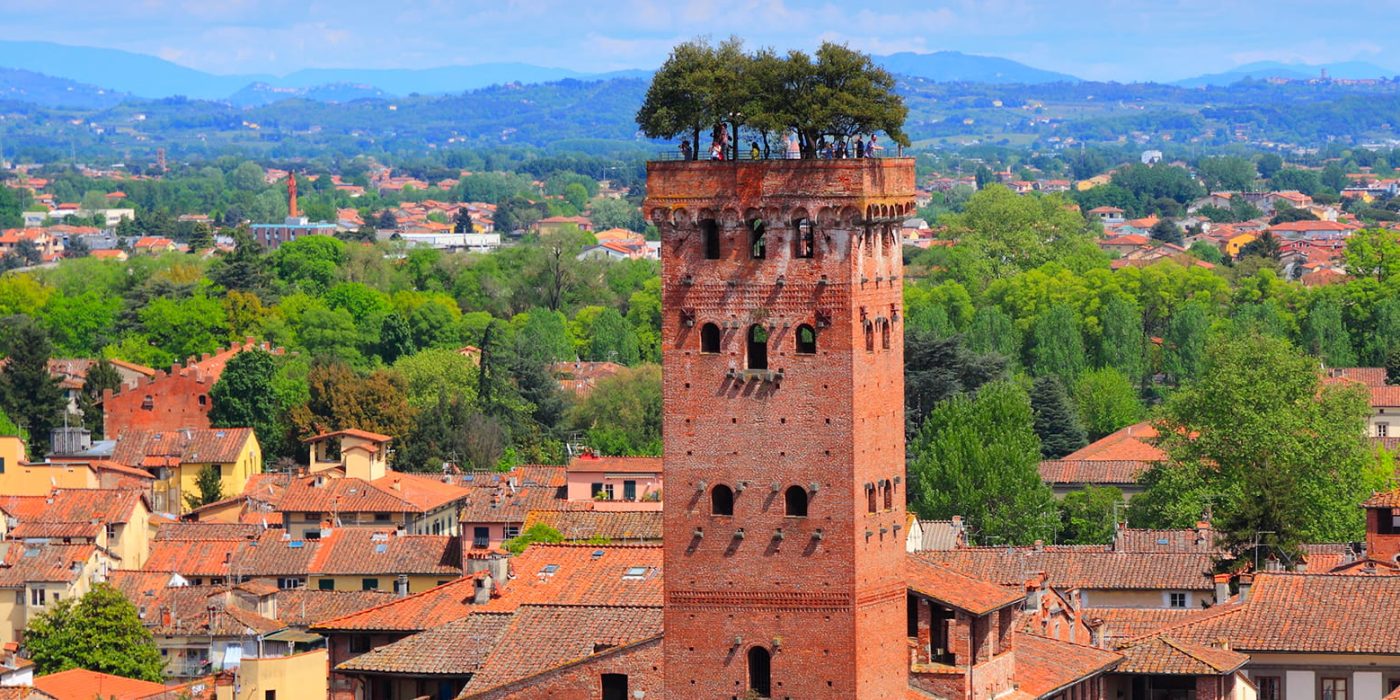
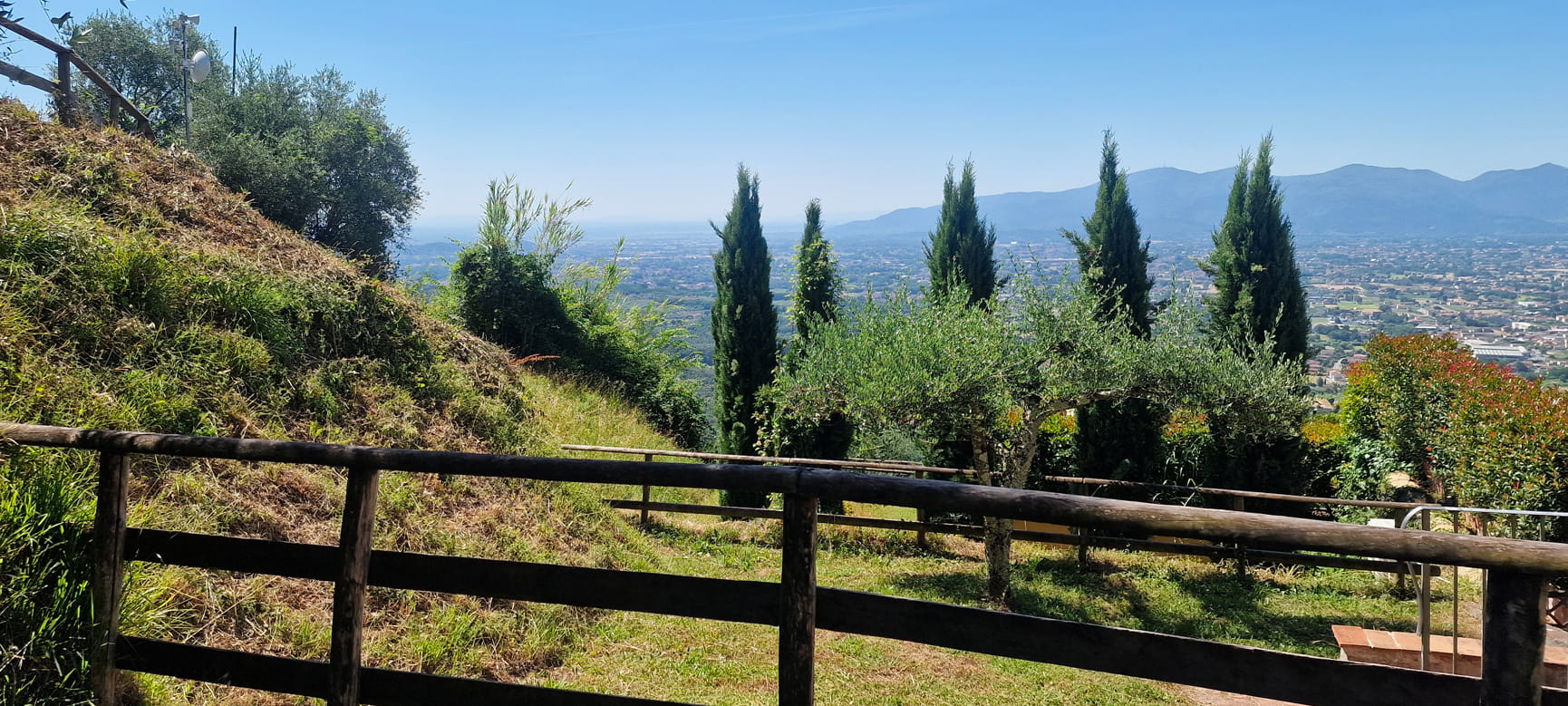
Acquistare immobili in Toscana continua ad attrarre acquirenti e investitori da tutto il mondo

Buying Property in Tuscany: The Complete Guide for International Buyers and Investors

Why Buying Property in Tuscany Continues to Attract International Buyers and Investors

Buying property in Tuscany continues to attract international buyers and investors seeking exceptional homes, prestigious estates and long-term real estate opportunities.

Some dream of owning a historic villa surrounded by vineyards and olive groves. Others are looking for a country estate, an agricultural business, a boutique hospitality property or a strategic investment capable of preserving and growing wealth over time.

Few regions in Europe offer such a unique combination of cultural heritage, landscape diversity and investment potential. From Renaissance residences in Florence to medieval buildings in Siena and Lucca, from vineyards in Chianti and agricultural estates in Maremma to boutique hotels in Val d’Orcia,and prestigious coastal properties in Versilia, Tuscany offers opportunities that suit a wide range of personal and business objectives.

Whether the goal is acquiring a private residence, relocating to Italy, diversifying an investment portfolio or developing a hospitality or agricultural business, buying property in Tuscany is far more than a simple real estate transaction.

It is the beginning of a long-term project that combines lifestyle, investment and heritage, and therefore requires informed decisions, local expertise and a structured acquisition strategy.

Buying Property in Italy Requires a Different Approach

Many international buyers expect the Italian acquisition process to follow procedures similar to those of their own country.

In reality, buying property in Italy involves a legal, technical and administrative framework that is often very different from what international investors are accustomed to.

Historic buildings, agricultural estates and listed properties frequently have long and complex histories. Over the years they may have undergone renovations, extensions, changes of use or multiple ownership transfers, all of which deserve careful evaluation before any purchase is completed.
This does not make buying property in Tuscany more difficult.

It simply means that successful acquisitions rely on accurate information, independent advice and a structured decision-making process, rather than on emotion alone.

Come_acquistare_immobili_in_Toscana_02

Buying Property in Tuscany Begins with the Buyer’s Objectives

One of the most common misconceptions is that buying property starts by browsing listings.

Professional property acquisition works differently. Every successful acquisition begins with understanding the buyer’s objectives.

Private clients, entrepreneurs, family offices, hospitality operators and institutional investors all approach the Tuscan market with different expectations. Some are searching for a permanent residence. Others are looking for an income-producing investment. Some intend to establish an agricultural business or acquire hospitality assets. Others are seeking long-term capital preservation through high-quality real estate.

Before evaluating any property thorugh a Due Diligence process, it is essential to define:

  • Location preferences
  • Property type
  • Investment objectives
  • Expected returns
  • Operational requirements
  • Long-term development plans

Only after these objectives have been clearly defined does the property search begin.
The right property is not simply the one available on the market.
It is the property that best supports the buyer’s long-term goals.

Why Work with an Independent Buyer Agent?

Traditional estate agencies represent the seller. Their role is to market properties and facilitate the transaction on behalf of the owner.

An Independent Buyer Agent works exclusively for the buyer.
The objective is not to sell a specific property but to identify the most suitable opportunity, evaluate it objectively and protect the client’s interests throughout the acquisition process.

Rather than presenting a predefined portfolio, an Independent Buyer Agent researches the market, evaluates opportunities and provides independent advice that supports informed decision-making.
For international buyers and investors, this independent representation significantly reduces conflicts of interest while providing access to local market knowledge, professional networks and objective analysis.

The true value of an Independent Buyer Agent is not simply finding properties.
It is helping buyers make better investment decisions.

Architecture Meets Property Advisory

Every property tells a story.
Understanding that story requires expertise that goes beyond traditional real estate brokerage.

One of the defining characteristics of my professional approach is the combination of architectural expertise with independent property advisory. Over more than thirty-five years working throughout Tuscany, I have evaluated historic villas, country houses, agricultural estates, vineyards, hospitality businesses, commercial buildings and protected historic properties.

This experience allows me to look beyond appearance and assess the factors that influence a property’s long-term potential, including its technical condition, regulatory framework, future development opportunities and compatibility with the buyer’s objectives.

A beautiful property should never be evaluated solely for its architectural appeal.
The most successful investments are those where architectural value, technical feasibility and investment objectives are perfectly aligned.

Acquistare immobili in Toscana continua ad attrarre acquirenti e investitori da tutto il mondo

Independent Advice Creates Better Decisions

Acquiring real estate in another country inevitably involves a degree of uncertainty. Different regulations, administrative procedures, technical requirements and market dynamics can be unfamiliar, even to experienced investors.

This is why independent advice plays such a critical role when buying property in Tuscany.
Rather than relying solely on information provided by parties involved in the transaction, buyers benefit from objective guidance focused entirely on their own interests.

The purpose of an independent advisor is not to encourage a purchase.
It is to help the buyer understand whether a property genuinely represents the right investment opportunity.
This independent perspective transforms complex information into clear, informed and confident decisions, reducing uncertainty throughout the acquisition process.

Buying Property in Tuscany: A Structured Acquisition Process

Successful property acquisitions are rarely the result of a single decision.
They are the outcome of a structured acquisition process, where every stage contributes to reducing risk and improving the quality of the final investment.

After defining the buyer’s objectives and identifying suitable opportunities, the process continues with a series of activities designed to understand the property’s real characteristics.
These include:

  • technical evaluation
  • preliminary investigations
  • multidisciplinary due diligence
  • investment assessment
  • negotiation
  • legal completion

Each phase requires specialist expertise and contributes to building a comprehensive understanding of the property before any commitment is made.

Acquistare immobili in Toscana continua ad attrarre acquirenti e investitori da tutto il mondo

Beyond Property Search

Many buyers assume that the role of an Independent Buyer Agent ends once the right property has been identified.

In reality, this is where the most important part of the acquisition begins.
Determining whether a property truly matches the buyer’s objectives requires much more than arranging viewings or facilitating negotiations.

It involves technical evaluation, multidisciplinary coordination and an objective assessment of opportunities, limitations and long-term potential.

Every decision made during this phase influences:

  • investment value;
  • project feasibility;
  • future operating costs;
  • development opportunities;
  • long-term returns.

For this reason, the role of an Independent Buyer Agent extends well beyond property search, becoming that of a trusted advisor throughout the entire acquisition process.

Every Acquisition Requires Its Own Strategy

No two acquisitions are alike.
Buying a historic villa in the Chianti hills is fundamentally different from acquiring a hospitality business, an agricultural estate or a commercial property.

Every project has its own objectives, technical considerations, regulatory framework and investment expectations.

There is no universal acquisition model.
Instead, every project should be developed around three essential elements:

  • the buyer’s objectives;
  • the property’s characteristics;
  • the long-term results the buyer intends to achieve.

This personalised approach transforms buying property in Tuscany into a strategic investment process rather than a simple real estate transaction.

Final Thoughts on Buying Property in Tuscany

Buying property in Tuscany is not simply about finding an attractive property.

It is about making informed decisions that combine lifestyle aspirations, business objectives and long-term investment value.
Whether the goal is acquiring a historic villa, a country estate, an agricultural business, a hospitality property or a strategic real estate investment, the success of the acquisition depends largely on the quality of the decisions made before signing the purchase agreement.

Independent advice, technical expertise and a structured acquisition process help transform uncertainty into confidence, allowing buyers to evaluate opportunities objectively and invest with greater clarity.
Ultimately, the right property is rarely identified by chance.

It is the result of careful research, objective evaluation and professional guidance, all working together to protect the buyer’s interests throughout every stage of the acquisition.

Continue Exploring the Tuscany Property Guide

Buying property in Tuscany involves much more than selecting the right property.

Throughout this Knowledge Hub, we explore every stage of the acquisition process, including:

  • property search
  • technical due diligence
  • planning restrictions
  • historic building restoration
  • property inspections
  • negotiation
  • legal completion

Each article has been created to help international buyers and investors better understand the Italian property market and make more informed investment decisions.

Learn how to buy property in Tuscany with confidence. A complete guide for international buyers and investors, with independent advice and professional insights.

Property Due Diligence in Italy: The Complete Guide for International Buyers and Real Estate Investors

Property Due Diligence in Italy: The Complete Guide for International Buyers and Real Estate Investors

Property Due Diligence in Italy: The Complete Guide for International Buyers and Real Estate Investors

Every Successful Property Acquisition Begins with Better Decisions

Every successful Property Due Diligence in Italy begins long before a purchase agreement is signed.

Whether buying a historic villa, a country estate, a vineyard, a hospitality property or a private residence, the quality of an investment depends largely on the quality of the decisions made before committing to the purchase.
Those decisions should never rely solely on first impressions, architectural appeal or commercial information provided during the negotiation.
They should be based on reliable, independently verified information.

This is precisely the purpose of Property Due Diligence in Italy.
Rather than being a bureaucratic requirement or a final administrative step, Property Due Diligence is a structured decision-making process that enables buyers and real estate investors to understand a property’s characteristics, evaluate its opportunities, identify potential risks and determine whether it genuinely supports their personal or investment objectives.

For anyone buying property in Italy, due diligence is not simply part of the acquisition process.

It is one of the most valuable stages of the entire investment.

What Is Property Due Diligence?

Property Due Diligence is the systematic investigation of a property before entering into binding contractual commitments.

Its purpose is to understand the property well enough to decide whether it genuinely represents the right opportunity.
Every acquisition inevitably involves a degree of uncertainty.

The role of Property Due Diligence in Italy is to reduce that uncertainty by replacing assumptions, perceptions and incomplete information with verified facts.
Through technical due diligence, documentary review and multidisciplinary assessment, buyers gain a clearer understanding of the property’s physical condition, planning status, cadastral situation, legal framework and future development potential.
This process enables informed decisions rather than decisions driven solely by enthusiasm or urgency.

For international buyers, who are often unfamiliar with Italian regulations, planning procedures and administrative practices, this stage becomes particularly valuable.

Why Property Due Diligence Matters

Many buyers believe that a well-presented property with complete documentation automatically represents a safe investment.

Reality is often more complex.
Historic buildings may have undergone alterations over several decades.
Agricultural estates frequently include multiple buildings constructed in different periods under different planning regulations.
Hospitality properties may combine residential, commercial and agricultural functions within the same estate.
Even recently renovated buildings can require careful property inspection in Italy before significant commitments are made.
Every property has its own history.

Understanding that history before purchasing is one of the principal objectives of Property Due Diligence.
The process should therefore never be viewed simply as a technical inspection.

It is a strategic evaluation designed to understand both the opportunities and the limitations associated with a specific property.
Reliable information allows buyers not only to identify potential issues but also to recognise opportunities that may otherwise remain unnoticed.

Property Due Diligence in Italy: The Complete Guide for International Buyers and Real Estate Investors

When Should Property Due Diligence Begin?

One of the most common misconceptions among international buyers is that Property Due Diligence begins after signing a preliminary purchase agreement.
Professional property acquisition follows a different approach.
The most valuable investigations begin before binding commitments are made.

The earlier reliable information becomes available, the greater the buyer’s ability to evaluate alternatives, negotiate effectively and make informed investment decisions.
Beginning early does not necessarily mean completing every investigation immediately.
It means allowing the due diligence process to develop progressively according to the complexity of the acquisition and the characteristics of the property.

Starting early simply leads to better decisions throughout every subsequent phase of the acquisition.

Every Property Requires a Different Due Diligence Strategy

One of the most common misconceptions is that Property Due Diligence in Italy follows the same procedure for every acquisition.
It does not.

Every property presents different characteristics, different opportunities and different levels of complexity. A listed historic villa requires investigations that differ significantly from those needed for a modern apartment; a vineyard requires different assessments from a hospitality business; an agricultural estate demands different considerations from a commercial investment property.

For this reason, professional Real Estate Due Diligence in Italy should never follow a standard checklist. Instead, every due diligence strategy should always be designed around two essential elements:

  • the characteristics of the property;
  • the objectives of the buyer or investor.

Only by adapting the verification process to the specific acquisition can professional resources focus on the aspects that truly influence the final decision.
Ultimately, the quality of Property Due Diligence is measured by the quality of the decisions it makes possible.

What Does Property Due Diligence Include?

Although every acquisition follows its own path, Property Due Diligence generally combines several complementary areas of investigation.

Rather than relying on a single professional opinion, buyers benefit from a multidisciplinary approach that evaluates the property from different technical, legal and strategic perspectives. Depending on the characteristics of the asset and the objectives of the acquisition, due diligence may include:

  • technical due diligence of the building’s condition;
  • planning due diligence and planning compliance;
  • cadastral verification;
  • building services and systems assessment;
  • legal and documentary review;
  • environmental, landscape and heritage restrictions;
  • financial and investment analysis, where appropriate.

The depth of these investigations varies considerably according to the complexity of the acquisition. A private residence requires a different level of analysis from a listed historic villa; a hospitality business requires different evaluations from an agricultural estate; likewise, a commercial investment presents different priorities from a family home.

For this reason, Property Due Diligence in Italy should always be proportional to the complexity of the project.

Each of these disciplines represents a specialised field of expertise and will be explored individually throughout this Knowledge Hub.

Property Due Diligence in Italy: The Complete Guide for International Buyers and Real Estate Investors

Better Information Leads to Better Decisions

At its core, Property Due Diligence in Italy is a decision-making process.
Every document reviewed, every technical assessment and every professional opinion contributes to one objective: enabling buyers and investors to make better decisions before committing significant financial resources.

Reliable information reduces uncertainty. A deeper understanding of the property improves planning. Better planning protects the investment over the long term.

The objective of Property Due Diligence is not to eliminate every possible risk. No real estate investment is entirely free from uncertainty. The objective is to understand which risks are acceptable, which opportunities deserve further investigation and whether the property can realistically fulfil the buyer’s personal or investment objectives.

Seen from this perspective, Property Due Diligence in Italy is not simply a series of inspections. It is one of the most important strategic tools in the entire property acquisition process.

From Property Verification to Strategic Decision-Making

Every stage of Property Verification in Italy contributes to building a clearer understanding of the acquisition.

Technical investigations, planning reviews, cadastral checks and legal assessments should not be considered as separate activities. Together, they provide the information needed to evaluate the property objectively and to support confident decision-making.
The value of due diligence lies not in the number of documents reviewed, but in the quality of the decisions that those investigations make possible

Who Is Involved in the Due Diligence Process?

Professional Property Due Diligence rarely depends on a single specialist.

Complex acquisitions require the contribution of professionals with different areas of expertise.

  • Architects evaluate planning compliance, cadastral consistency, restoration feasibility and development potential.
  • Engineers carry out structural assessments and analyse any interventions required to improve or adapt the property.
  • Surveyors contribute technical investigations according to the characteristics of the asset.
  • Lawyers review legal documentation and contractual matters.
  • Tax advisers evaluate the fiscal implications of the acquisition.
  • Notaries supervise the legal transfer of ownership.

Each professional performs a specific role. However, successful acquisitions require more than individual expertise. They require coordination.

This is where the role of an Independent Buyer Agent becomes particularly valuable.

Rather than replacing architects, lawyers or other specialists, the Buyer Agent coordinates the acquisition process, facilitates communication between all professionals involved and helps buyers interpret technical information so that it can be transformed into informed decisions.

For international buyers and investors, having a single independent point of reference often simplifies communication while improving the overall quality of the acquisition.

An experienced Independent Property Advisor in Italy helps ensure that every professional contribution supports one shared objective: protecting the buyer’s interests throughout the acquisition process.

Common Mistakes International Buyers Make

Many of the difficulties encountered during a property acquisition are not caused by the property itself.

They arise because essential questions are asked too late.

Among the most common mistakes are:

  • beginning Property Due Diligence only after contractual commitments have been made;
  • assuming that every property requires the same level of investigation;
  • focusing exclusively on aesthetics, location or asking price while overlooking Technical Due Diligence and Planning Due Diligence;
  • relying on fragmented professional advice without overall coordination;
  • considering due diligence as a cost rather than an investment;
  • underestimating how future restoration, redevelopment or operational plans may influence the long-term value of the acquisition.

A well-structured due diligence process helps identify these issues before they become costly problems.
Its purpose is to ensure that every decision is based on verified information rather than assumptions.

Due Diligence Is an Investment, Not a Cost

Some buyers initially perceive Property Due Diligence in Italy as an additional expense.
In reality, it is one of the most valuable investments made throughout the acquisition process.

The information gathered during due diligence continues to generate value long after the purchase has been completed. It influences restoration strategies. It supports future planning, it helps define investment priorities, it contributes to long-term asset management.

Most importantly, it provides buyers with confidence that their decisions are supported by objective analysis rather than uncertainty.
For this reason, the value of due diligence should never be measured solely by its immediate cost.

Its true value lies in the quality of the decisions it enables.

Final Thoughts

Successful property acquisitions are rarely the result of intuition alone.

They are the outcome of knowledge, method and informed decision-making.
Property Due Diligence in Italy transforms assumptions into verified information, uncertainty into confidence and complex acquisitions into structured investment projects.

Whether purchasing a historic villa, a country estate, a vineyard, a hospitality business, a commercial property or a private residence, due diligence enables buyers to understand not only what they are acquiring today, but also what that property may become in the future.

A successful acquisition is never simply about buying a property. It is about acquiring the right property, under the right conditions, with a complete understanding of its characteristics, its potential and the opportunities it can offer over time.

Continue Exploring the Tuscany Property Guide

Property Due Diligence in Italy is one stage of a broader acquisition journey.

To better understand the complete process of Buying Property in Italy, continue with the other articles in this Knowledge Hub:

Discover why Property Due Diligence is essential when buying property in Italy. Learn how international buyers and investors can evaluate risks, verify opportunities and make informed acquisition decisions.

Property Acquisition in Tuscany: From Property Search to Due Diligence

Property Acquisition in Tuscany: From Property Search to Due Diligence

Property Acquisition in Tuscany: From Property Search to Due Diligence

Every Successful Property Acquisition in Tuscany Follows a Method

One of the most common misconceptions about Property Acquisition in Tuscany is that the process begins with viewing villas, farmhouses or apartments.

In reality, every successful acquisition starts much earlier.

Property Acquisition in Tuscany is rarely a matter of simply finding an attractive property. It is a structured process that begins long before the first viewing.

Before analysing the opportunities available on the market, it is essential to define a clear acquisition strategy built around the buyer’s objectives and the characteristics of the investment.

Whether the goal is purchasing a private residence, a historic villa, a hospitality business or a commercial property, every acquisition requires a structured process designed to reduce uncertainty, support informed decisions and protect the buyer’s interests.

Property search is only one stage of the acquisition process.

Property Acquisition in Tuscany Begins with the Buyer’s Objectives

Every property acquisition starts with understanding the client’s priorities: an international investor may focus on portfolio diversification, operational efficiency or long-term return on investment; a family may be looking for a permanent residence or a second home; an entrepreneur may be searching for a hospitality business or an agricultural estate with development potential. For this reason, the first step is always to establish a clear understanding of the buyer’s objectives.

These typically include:

  • preferred geographical area;
  • property type;
  • intended use;
  • available budget;
  • investment expectations;
  • medium and long-term objectives;
  • operational or business requirements.

Only after these priorities have been clearly defined does the property search in Tuscany begin.

Property Search Is More Than Reviewing Listings

One of the biggest misconceptions is that property search simply means browsing online portals.

Professional Property Acquisition in Tuscany follows a much broader approach.

Alongside publicly advertised properties, many opportunities circulate through professional networks, long-established local relationships and off-market channels that are not publicly accessible.

The objective is not to generate a long list of properties.

It is to identify a carefully selected group of opportunities that genuinely match the client’s project.

A rigorous selection process allows buyers to concentrate their time and resources only on properties that deserve further evaluation.

Quality is always more valuable than quantity.

Property Acquisition in Tuscany: From Property Search to Due Diligence

Public Listings and Off-Market Opportunities

Many of the most suitable opportunities are never widely advertised.

Depending on the project, buyers may benefit from properties that become available through trusted local networks, long-established professional relationships and off-market opportunities that are not accessible through traditional property portals. For this reason, professional property search is based not only on market availability, but also on local knowledge and independent research.

Property Acquisition in Tuscany: from Property Search to the Shortlist

Once the most promising opportunities have been identified, the acquisition process moves to a comparative evaluation.

Each property is assessed against the objectives established at the beginning of the project.
The question is whether it is genuinely compatible with the buyer’s objectives: a historic villa may be an exceptional private residence while being unsuitable for hospitality development; an agricultural estate may offer business opportunities that are not immediately apparent during a viewing; an hospitality property may present significant development potential requiring further technical and operational assessment. For this reason, the selection process does not end with property visits.

It concludes with the creation of a carefully developed shortlist containing only those opportunities that justify more detailed investigation.

Creating a shortlist is not simply a matter of reducing the number of properties under consideration, but it is the process of identifying the opportunities that truly deserve professional investigation before time, resources and negotiations move forward.

A carefully prepared shortlist allows buyers to focus only on properties that genuinely support their personal or investment objectives.

Looking Beyond First Impressions

The first viewing often reveals many attractive characteristics:

  • Architecture.
  • Landscape.
  • Location.
  • Atmosphere.
  • Potential.

    However, these elements represent only part of the evaluation.

The most important acquisition decisions are based on factors that are far less visible during an initial visit.

The purpose of an independent assessment is to determine whether a property genuinely possesses the characteristics required to achieve the buyer’s objectives, preventing enthusiasm and emotional reactions from taking precedence over objective analysis.

Every informed acquisition is built on the balance between perceived value, actual potential and professional evaluation.

Preliminary Verification: Where a Property Is Truly Assessed

nce the shortlist has been defined, one of the most important stages of Property Acquisition in Tuscany begins: preliminary verification.

Its purpose is not to delay the purchase.

Its purpose is to reduce uncertainty and enable buyers to make decisions based on reliable information.

At this stage, the first essential elements are collected and reviewed to understand the property’s actual condition and overall situation.

Depending on the characteristics of the asset, the initial review may include planning documentation, cadastral records, administrative information and other available documentation, verifying that these are consistent with both the physical property and the buyer’s intended project.

The objective is not yet to perform a complete technical investigation.

Rather, it is to identify any issues that require more detailed assessment before contractual commitments are made.

This early evaluation allows buyers to proceed with greater clarity while avoiding unnecessary risks later in the acquisition process.

A preliminary review does not replace Property Due Diligence in Italy.

Instead, it helps buyers understand whether a property deserves further investigation before significant financial commitments are made.

By identifying potential planning, administrative or technical issues at an early stage, buyers can make more informed decisions while reducing unnecessary risks throughout the acquisition process.

Due Diligence Is Not a Bureaucratic Formality

Many buyers view property due diligence as a procedural step carried out shortly before signing the purchase contract.

In reality, it is one of the most valuable investments made throughout the entire acquisition process.

A professionally designed due diligence enables buyers to verify that the property’s planning, cadastral, administrative and legal documentation accurately reflects its actual condition.

For historic buildings and protected heritage properties, the process may also include a comprehensive assessment of the building’s structural integrity, helping buyers understand not only the property’s current condition but also the technical implications of future restoration or redevelopment.

The scope of every due diligence depends entirely on the nature of the acquisition.

Purchasing a city apartment requires a very different approach from acquiring a listed historic villa, an agricultural estate, a hospitality business or a commercial investment property.

For this reason, property due diligence should never follow a standard checklist.

Every acquisition requires a verification process specifically designed around the characteristics of the property and the objectives of the buyer.

Property Acquisition in Tuscany: From Property Search to Due Diligence

Every Property Requires a Different Due Diligence Strategy

No two acquisitions are identical.

The due diligence process should always reflect the characteristics of the property, the buyer’s objectives and the intended use of the investment.

A professional approach evaluates technical, planning, legal and administrative aspects according to the specific project, ensuring that every decision is supported by reliable information rather than assumptions.

Throughout this Knowledge Hub, each component of Property Due Diligence in Italy — including technical assessments, planning compliance, legal verification, structural evaluation and restoration feasibility — is explored in greater detail.

The Value of a Multidisciplinary Team

Complex property acquisitions involve expertise from many different disciplines.

  • Architects
  • Engineers
  • Surveyors
  • Lawyers
  • Tax advisers
  • Notaries

Each professional contributes specialised knowledge.

The real value, however, lies in coordinating these different competencies within a single acquisition strategy.

One of the key responsibilities of a Buyer Agent is precisely to facilitate this coordination, ensuring that information flows efficiently between all professionals involved and that every decision is based on a complete understanding of the project.

Working with an experienced Property Advisor in Tuscany means having a single professional who helps coordinate the acquisition process while keeping the buyer’s objectives at the centre of every decision.

The objective is not to replace individual specialists.

It is to create the conditions in which every professional can contribute effectively to the success of the acquisition.

The Quality of Decisions Depends on the Quality of Information

Every real estate acquisition in Italy involves a degree of uncertainty.

The difference between an emotional decision and an informed investment lies in the quality of the information available before commitments are made.

Understanding a property before purchasing means evaluating far more than its market value.

It means identifying its strengths, recognising its limitations and understanding the opportunities and challenges that may emerge over time.

This is particularly important when acquiring historic buildings, agricultural estates, hospitality businesses or properties intended for long-term investment or redevelopment.

The deeper the knowledge of the property, the greater the ability to plan the investment with confidence.

Reliable information reduces uncertainty.

Professional analysis supports better decisions.

A structured acquisition process protects the investment long before the purchase contract is signed.

Final Thoughts

A successful Property Acquisition in Tuscany is not built by visiting the largest possible number of properties.

It is built through a structured method.

From defining acquisition objectives to identifying suitable opportunities, creating a meaningful shortlist, carrying out preliminary verification, coordinating professional due diligence and supporting informed decision-making, every stage contributes to reducing risk and improving the quality of the final investment.

Ultimately, the true value of a professional acquisition process does not lie solely in the property that is purchased.

It lies in the quality of the process that leads to that decision.

A successful Property Acquisition in Tuscany is never the result of chance.

It is the outcome of a structured process supported by experience, independent advice and informed decision-making.

Continue Exploring the Tuscany Property Guide

Property Acquisition in Tuscany is only one stage of Buying Real Estate in Tuscany.

To better understand the complete acquisition process, continue reading:

Discover how a professional property acquisition process works in Tuscany. Learn how make informed decisions.

Come concludere un acquisto immobiliare in Italia 02

Completing a Property Purchase in Italy: From Negotiation to Closing

Come concludere un acquisto immobiliare in Italia 02

The Final Stage of Buying Property in Italy Is Also the Most Delicate

After identifying the right property, completing the preliminary investigations and carrying out Property Due Diligence in Italy, the acquisition process enters the final phase of buying property in Italy.

At this stage, the objective is no longer to determine whether the property represents the right opportunity. Instead, the focus shifts to completing the transaction under the best possible conditions, with a full understanding of what is being acquired and with every remaining activity carefully planned.

Whether the acquisition involves a historic villa, a country estate, an agricultural business, a hospitality property or a complex real estate investment, careful preparation allows buyers to approach the final stages of Buying Property in Italy with greater confidence and significantly less uncertainty.

Ultimately, the quality of the outcome depends on the quality of every decision made throughout the acquisition journey.

Property Negotiation in Italy Begins with Reliable Information

When discussing Property Negotiation in Italy, many people immediately think about price. However, professional negotiation extends far beyond financial discussions.

The quality of the negotiation depends on the information collected during the entire acquisition process: Technical investigations; Planning documentation; Economic evaluations; Construction characteristics; Development opportunities.

Together, these elements allow buyers to negotiate objectively rather than emotionally. In some cases, this information may influence the purchase price. In others, it may lead to revised contractual conditions, different completion dates or agreements concerning future works after the acquisition.

For this reason, every negotiation is different. Every property presents unique characteristics, and every buyer pursues different objectives.
A successful negotiation is therefore built on reliable information, not assumptions.

Negotiation Is About More Than Price

Professional negotiation is not simply about obtaining a discount. Rather, it is about achieving the best overall conditions for the buyer.

Depending on the circumstances, negotiations may involve:

  • the purchase price;
  • contractual terms;
  • completion dates;
  • documentation to be provided before closing;
  • agreed works or repairs;
  • operational arrangements after completion.

Consequently, reliable information gathered during the previous phases of the acquisition becomes one of the buyer’s strongest negotiating tools.

Buying Property in Italy: Independent Buyer Agent Coordinates the Entire Process

One of the least understood aspects of Buying Property in Italy is the number of professionals involved throughout the acquisition.

Depending on the characteristics of the project, buyers may work with:

  • Architects
  • Engineers
  • Surveyors
  • Lawyers
  • Notaries
  • Tax Advisers
  • Technical Consultants

Each professional contributes specialist expertise.

However, successful acquisitions require much more than excellent individual professionals. They require effective coordination. This is precisely where an Independent Buyer Agent Italy creates value.

Rather than replacing architects, lawyers or other specialists, the Buyer Agent coordinates their work, maintains an overall view of the acquisition and ensures that every professional contribution supports the buyer’s objectives. As a result, communication becomes clearer, decisions become more consistent and unnecessary delays can often be avoided.

For International Property Buyers in Italy, this coordinated approach is particularly valuable. Managing a complex acquisition remotely becomes significantly easier when one independent professional oversees the entire process.

One Project, One Strategy

Complex acquisitions generate large amounts of technical, legal and financial information. Without coordination, even accurate information may become fragmented.

Therefore, one of the principal responsibilities of an Independent Buyer Agent is to transform information into a coherent decision-making process. Instead of managing separate conversations with multiple professionals, buyers benefit from a single strategic overview of the acquisition.
This integrated approach improves efficiency while helping every specialist contribute effectively to the success of the project.

Preparing for Property Closing in Italy Means Avoiding Surprises

In Italy, the notarial deed represents the legal completion of the purchase. Nevertheless, a successful acquisition is not built during the days immediately preceding completion.

It is built throughout the entire acquisition process.
Careful preparation ensures that documentation has already been reviewed, technical and administrative matters have already been addressed and the buyer fully understands the investment before signing the final deed.

Consequently, the closing becomes the natural conclusion of a structured acquisition process rather than the moment when unresolved issues need to be solved.
Moreover, proper preparation allows buyers to approach the final stage with confidence, knowing that every important aspect has already been carefully evaluated.

Dal negoziato al rogito: come si conclude un acquisto immobiliare in Italia

Property Closing Is the Beginning of a New Phase

Many buyers consider Property Closing in Italy to be the end of the acquisition journey.

In reality, for many international buyers and investors, it represents the beginning of a completely new phase.
Once ownership has been transferred, restoration projects, redevelopment programmes, agricultural activities, hospitality initiatives or long-term investment strategies may begin. At this point, continuity becomes extremely important.

Working with an experienced Independent Buyer Agent Italy or Property Advisor allows buyers to maintain consistency between the objectives established before the acquisition and the decisions required afterwards.

Furthermore, local knowledge, familiarity with administrative procedures and access to trusted architects, engineers, contractors and specialist consultants help transform long-term plans into practical actions.

Professional advice therefore continues well beyond the completion of the purchase.

Buying Property in Italy : from Acquisition to Property Development

Completing the purchase does not necessarily conclude the project.
Instead, it often marks the beginning of a new stage that may involve:

  • restoration of historic buildings;
  • renovation programmes;
  • landscape enhancement;
  • hospitality development;
  • agricultural investment;
  • long-term property management.

For this reason, buyers benefit from working with professionals who understand not only the acquisition itself but also the broader development strategy behind the investment.

Building Long-Term Value

The success of Buying Property in Italy should never be measured on the day the notarial deed is signed. Rather, it becomes evident over the years: for a family, success means living in a property that fulfils long-term lifestyle expectations; for an investor, it means preserving and increasing the value of the asset; for an entrepreneur, it means developing a sustainable business consistent with the original investment strategy.

Every decision made during the acquisition contributes to those future results. Consequently, the quality of the investment depends not only on the property itself but also on the quality of the process that led to its acquisition.

Reliable information, Professional coordination, Independent advice: together, they create the foundations for long-term value.

Dal negoziato al rogito: come si conclude un acquisto immobiliare in Italia

The Importance of a Global Perspective

Each property is different. Likewise, every buyer has different objectives. Moreover, each investment presents unique opportunities and challenges.

Nevertheless, one characteristic is shared by every successful acquisition: maintaining a global perspective throughout the process.

Technical investigations, planning compliance, financial evaluations, negotiation, professional coordination and post-acquisition planning should never be considered as isolated activities. Instead, they form part of a single strategy designed to protect the buyer’s interests and maximise the long-term value of the investment.

When every stage is managed as part of one coherent process, buyers are able to make better decisions with greater confidence.

Dal negoziato al rogito: come si conclude un acquisto immobiliare in Italia

Final Thoughts

Buying Property in Italy involves much more than signing a notarial deed.

Instead, the acquisition is built throughout the entire process, that begins long before negotiations start and often continues well after ownership has been transferred.

Whether purchasing a historic villa, a country estate, an agricultural business, a hospitality property or a commercial investment, the long-term success of the project depends on the quality of every stage of the acquisition process.

Ultimately, successful acquisitions are not defined simply by the property that is purchased. They are defined by the quality of the decisions made before, during and after the transaction.

This is why an experienced Independent Buyer Agent Italy provides value far beyond property search.

By coordinating specialists, facilitating communication, interpreting complex information and supporting informed decision-making, the Buyer Agent helps transform a property purchase into a carefully planned investment built on transparency, expertise and a long-term vision.

Continue Exploring the Tuscany Property Guide

Completing the purchase is only one stage of Buying Property in Italy.

To better understand every phase of the acquisition process, continue exploring the Tuscany Property Guide:

Learn how to complete a property purchase in Italy with confidence. Discover the role of negotiation, professional coordination and independent advice for international buyers and investors.

DARIO BALESTRI

+39 339 3282666

Buyer Agent immobiliare indipendente, Property Finder e Architetto in Toscana.

Con oltre 35 anni di esperienza sul territorio, Dario Balestri supporta acquirenti internazionali, investitori, grandi gruppi e clienti privati nell’identificazione, valutazione e acquisizione di immobili residenziali, commerciali, agricoli e di investimento in Toscana.

Independent Buyer Agent, Architect and
Property Finder based in Tuscany.

With over 35 years of professional experience, Dario Balestri helps international buyers, investors, hospitality operators, and private clients identify, evaluate, and acquire residential, commercial, agricultural, and investment properties across Tuscany.

AREE TERRITORIALI
Firenze • Lucca • Chianti • Val d’Orcia • Maremma • Versilia • Pietrasanta • Costa Toscana e in tutto il territorio toscano.

AREAS OF EXPERTISE
Florence • Lucca • Chianti • Val d’Orcia • Maremma • Versilia • Pietrasanta • Tuscan Coast and throughout all Tuscany.

SERVIZI
Ricerca Immobili
Rappresentanza solo dell’Acquirente
Due Diligence Immobiliare
Valutazione Architettonica e Tecnica
Consulenza per Investimenti Immobiliari
Consulenza per Investimenti nel Settore Hospitality e Agricolo
Assistenza al Trasferimento e all’Insediamento in Toscana
Aspetti Tecnici, Legali e Urbanistici
Coordinamento professionisti

SERVICES
Property Search & Acquisition
Independent Buyer Representation
Property Due Diligence
Architectural & Technical Assessment
Real Estate Investment Advisory
Hospitality & Agricultural Property Advisory
Relocation Support
Professional Coordination

INSIGHTS
Acquistare una proprietà in Toscana
Investire nel Mercato Immobiliare in Toscana
Investire nel mercato immobiliare in Toscana
Buyer Agent Immobiliare & Property Finder
Due Diligence & Valutazione immobili
Trasferirsi in Toscana

INSIGHTS
Buying Property in Tuscany
Tuscany Property Insights
Real Estate Investment Opportunities
Due Diligence & Property Evaluation
Relocation & Lifestyle Guides

Dario Balestri in LinkedIn. Copyright © 2026. All Rights Reserved.

Privacy Policy Cookie Policy