
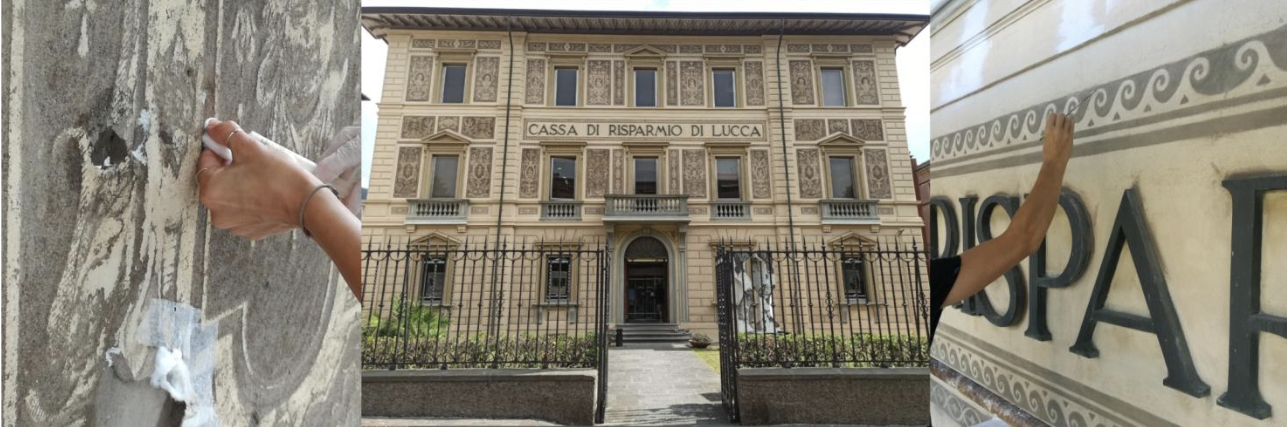
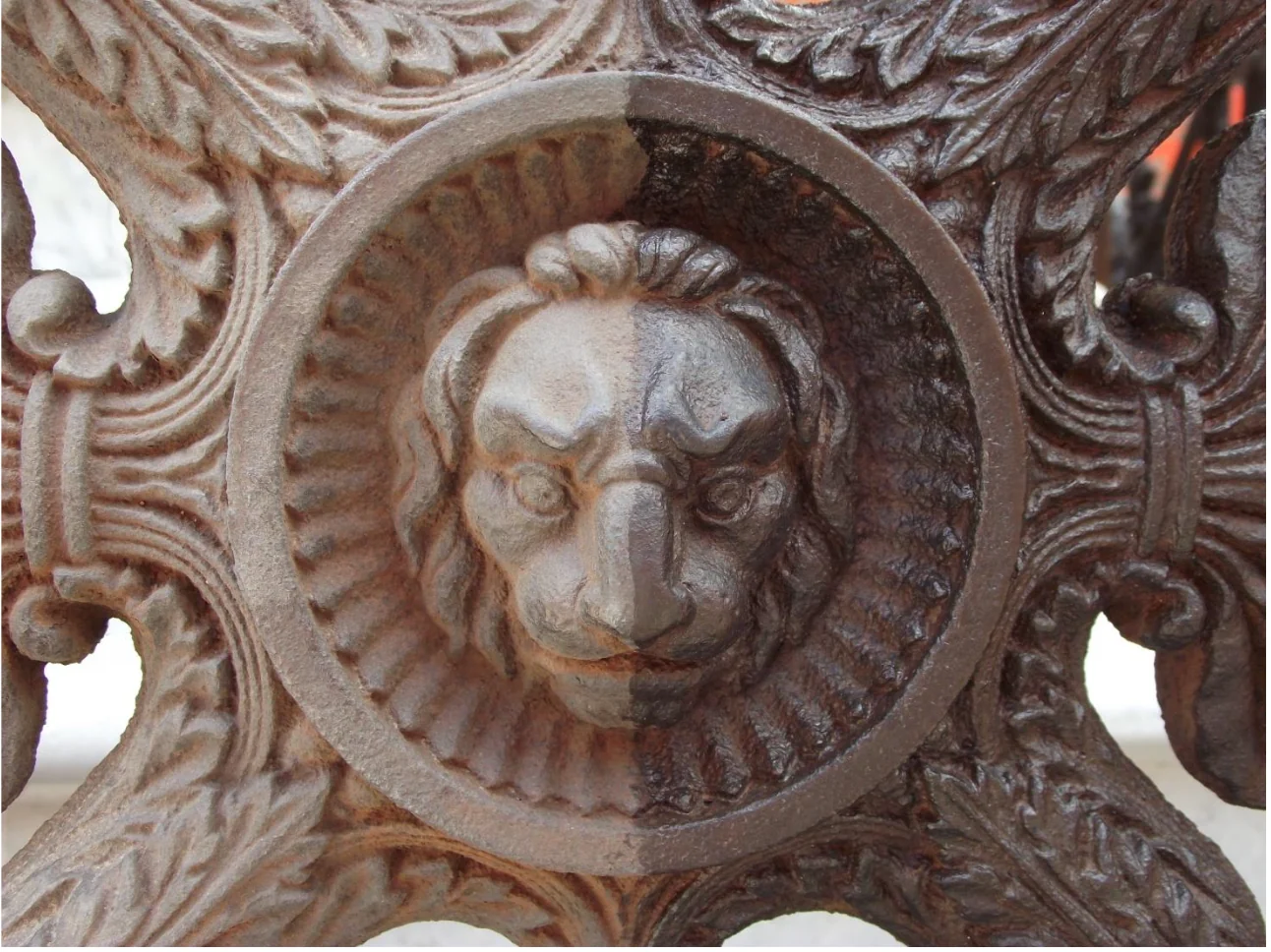
2. The Roadmap: The Restoration Process Step by Step
The restoration of a protected historic building follows a mandatory legal and chronological sequence.
Skipping a stage or completing the approval procedures in the wrong order may result in serious penalties and the immediate suspension of the works.
Preliminary Analysis and Due Diligence
Phase 1: 30-60 daysBefore drawing a single line of the project, we carry out research in historical archives and establish the exact nature of any restrictions affecting the property. We compare the property’s actual condition with cadastral and municipal records to verify that there are no planning discrepancies or unauthorised building works that would need to be resolved as a priority.
Authorisation from the Soprintendenza
Phase 2: approximately 120 daysOur architects prepare a highly detailed restoration project, specifying the techniques, methods and materials to be used. The project is then submitted to the Soprintendenza, which, under the applicable procedure described here, has up to 120 days to approve it, request amendments or reject it.
Municipal Building Permit – Permesso di Costruire / SCIA
Phase 3: 30-60 days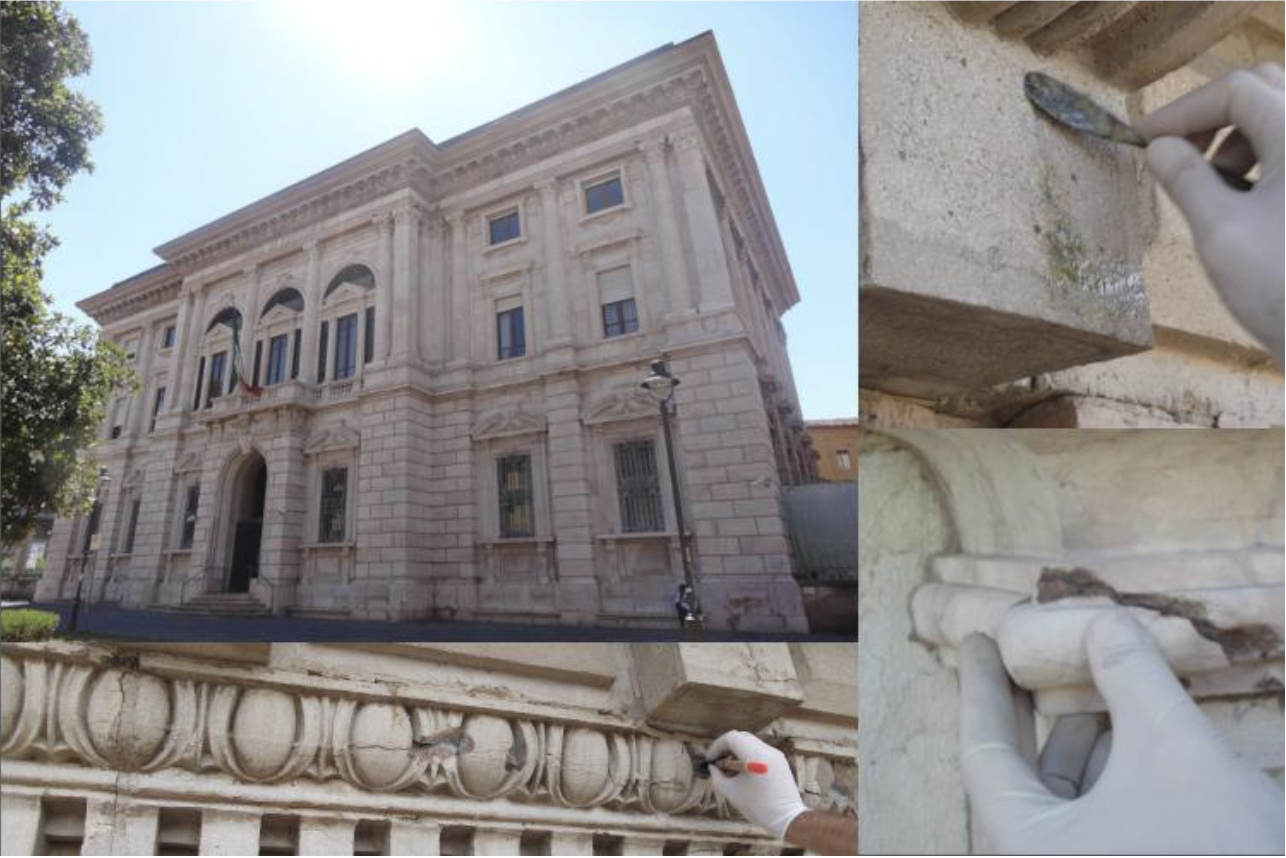
Once the nulla osta – the formal approval – has been obtained from the Soprintendenza, the project is submitted to the municipality’s technical office to obtain the required building authorisation. This stage ensures compliance with local planning regulations, construction-site safety requirements and seismic regulations.
Execution by Specialist Contractors and Craftspeople
Phase 4: ConstructionWork can finally begin. Standard building contractors cannot operate on these protected properties: we work exclusively with qualified restorers and specialist companies registered with the relevant professional bodies and holding the appropriate certifications and qualifications, ensuring that every intervention complies with the approved requirements.
Our Approach: Preliminary Diagnostics and Cost Control
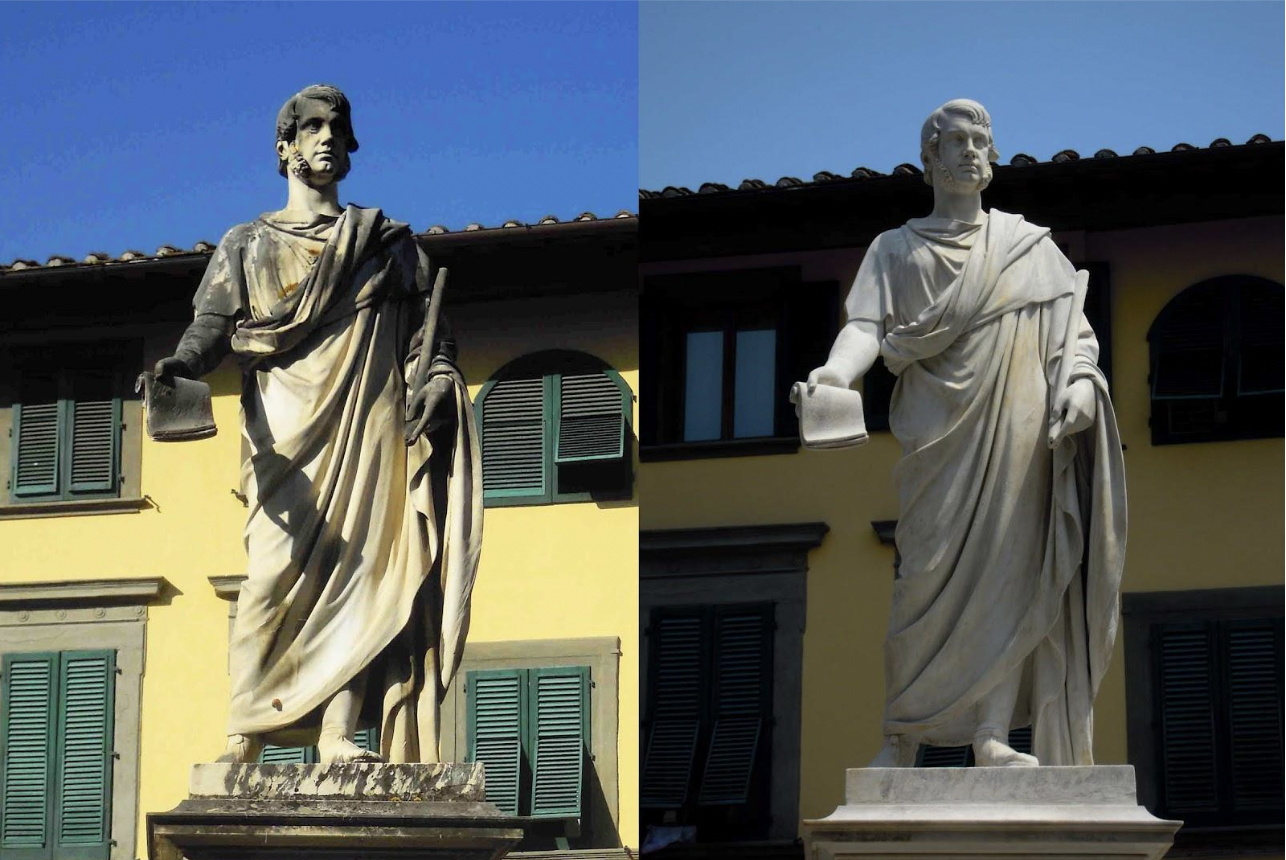
During the restoration of an historic property in Italy, One of the main concerns for anyone is uncertainty over the final cost of the work.
To eliminate this risk, our team does not simply “estimate” the work. Instead, it applies a scientific protocol before the actual design process even begins.
Through preliminary on-site diagnostic investigations – including thermographic surveys, core sampling, mortar analysis and radar surveys – we can map the building’s underlying condition and identify issues hidden within its structure.
We would like to emphasise that investing a relatively small amount in preliminary diagnostic investigations can save up to 20-30% in variations during construction, because the project is developed on the basis of reliable data rather than assumptions.
The advantage for you: this analytical approach allows us to prepare a restoration Business Plan before the design stage. We provide an accurate preliminary cost schedule – an Advanced Parametric Estimate – enabling you to understand the financial commitment required for the restoration and plan the investment with transparency and confidence.
From Property Value to Project Feasibility
Restoring a historic property in Italy therefore means working on two dimensions at the same time: preserving the value of the building and making the buyer’s project possible.
The knowledge gathered before the purchase does not lose its value after closing. On the contrary, it becomes the starting point for planning the restoration correctly, navigating the approval process, selecting the necessary expertise and developing a reliable estimate of the investment required.
This is also why, when I assess a historic property as a Buyer Agent and Architect, I do not consider the property the client is buying separately from the project they intend to undertake. The condition of the building, restrictions, potential for transformation, costs and timelines must all be considered as parts of the same decision.
Collaboration with specialist professionals and contractors, such as Davide Valeri and Restauro Valeri, then allows this knowledge to move into the operational phase and become a concrete restoration project.
First understand the property, then assess its potential, and finally build the path to make the project possible.
For an international buyer or investor, this continuity between acquisition, Due Diligence and restoration makes it possible to move from choosing a historic property to consciously developing and delivering a project in Italy.
Each stage answers different questions, but they all contribute to the same decision: understanding not only which property to buy, but what can realistically be done with it after the acquisition.
For an international buyer or investor, connecting property search, Due Diligence, technical assessment, negotiation and project planning provides a more complete understanding of both the property and its true potential.
Dr Davide Valeri – Architect Dario Balestri
Continue Exploring Our Guides to Buying and Enhancing Property in Tuscany
Restoration is one stage of a much broader journey. Before transforming a property, buyers need to identify the right opportunity, understand its actual condition, verify its compliance and assess its potential, limitations and suitability for their project.
- Buying Property in Tuscany: The Complete Guide for International Buyers and Investors
Property Acquisition in Tuscany: From Property Search to Due Diligence
Buying a Historic Property in Tuscany: Assessing Its Structural Condition Before Purchase
Completing a Property Purchase in Italy: From Negotiation to Closing
Learn what restoring a historic property in Italy involves, from heritage restrictions and approvals to Due Diligence, specialist work and cost planning.

